
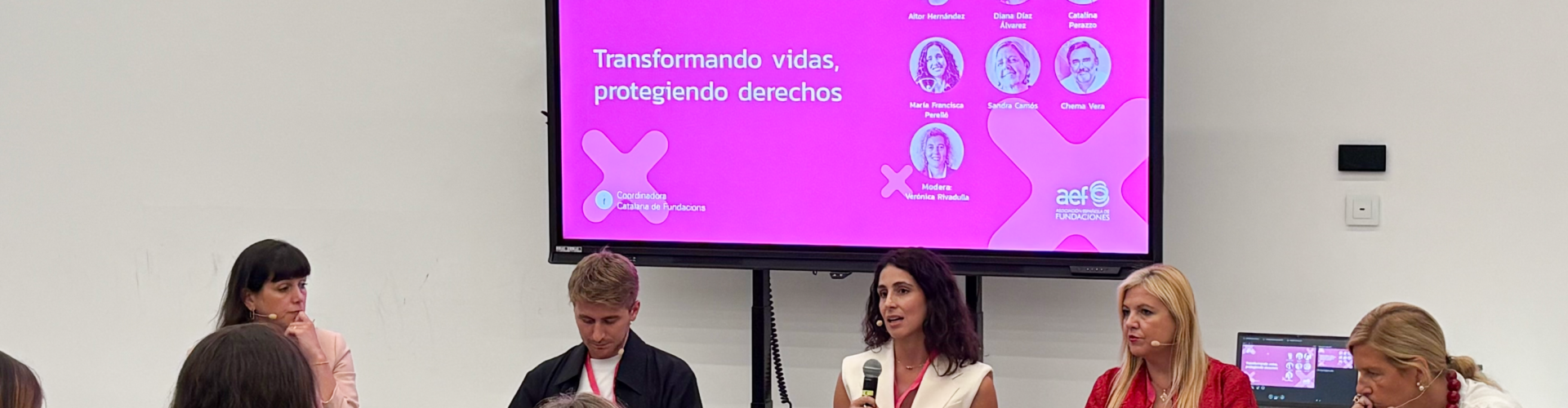
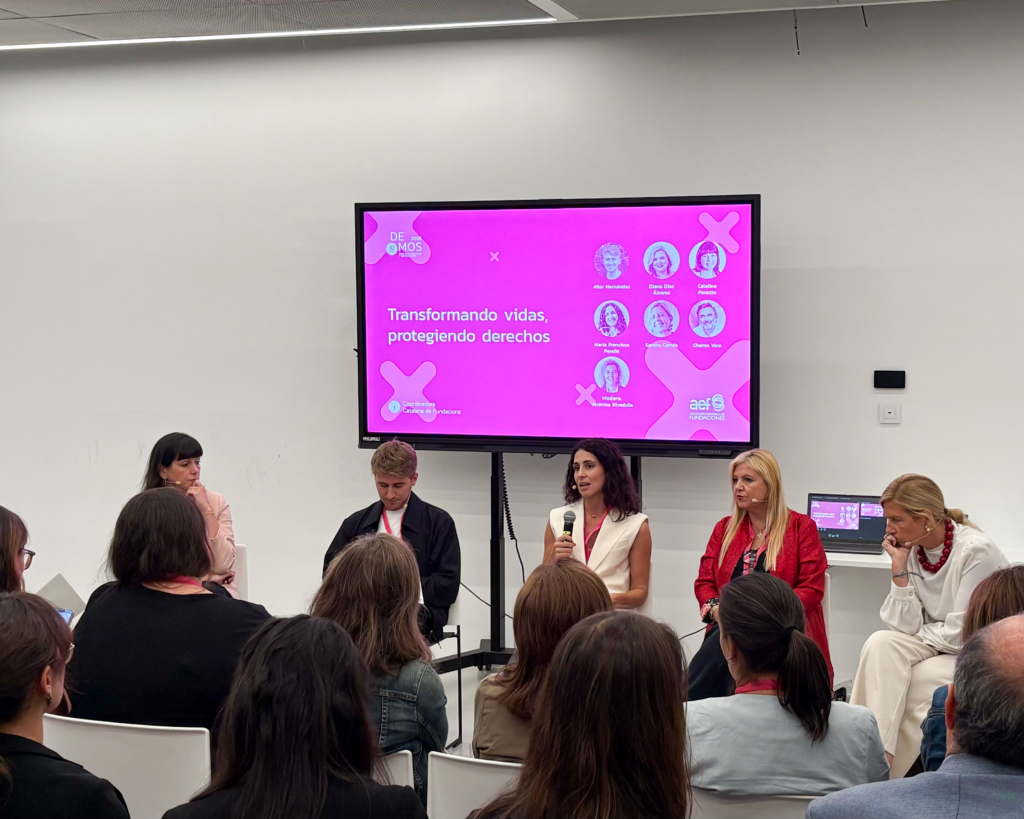
Fundación Rafa Nadal Director María Francisca Perelló took part in the round table “Transforming Lives, Protecting Rights”, alongside representatives from organisations including UNICEF Spain, Save the Children, Fundación ANAR, Fundación Princesa de Girona and Fundación Fútbol Más España.
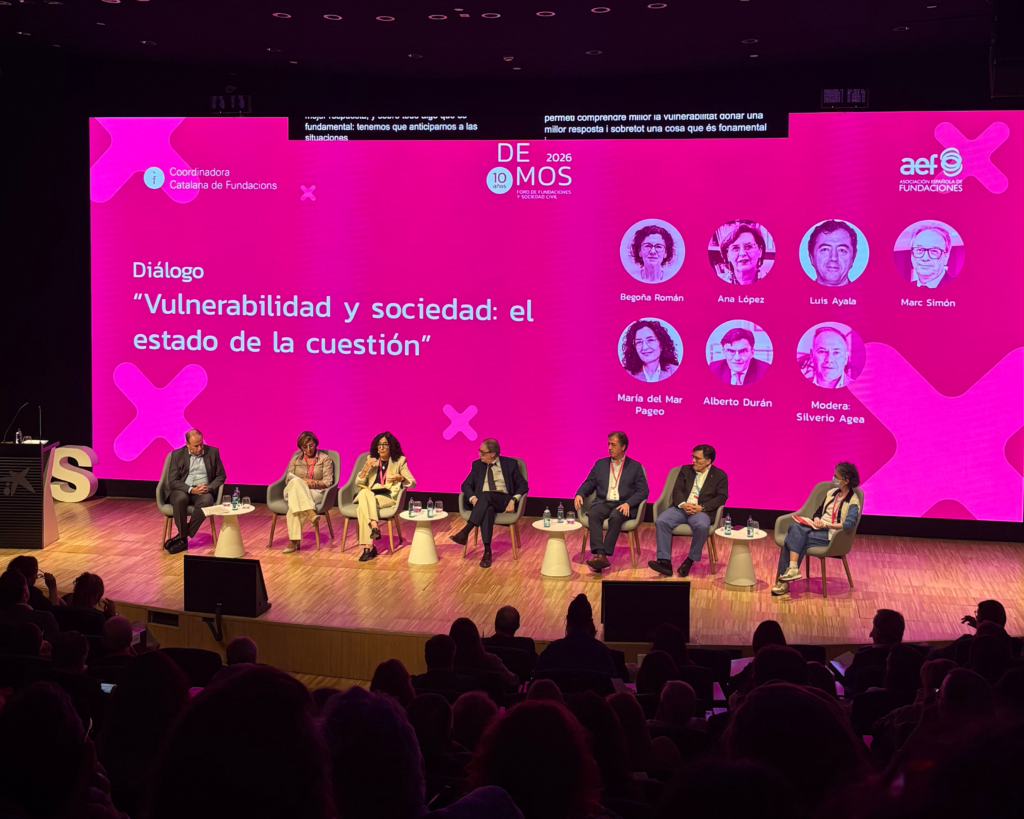
Fundación Rafa Nadal took part in DEMOS 2026, an event organised by the Spanish Association of Foundations (AEF) that brought together more than 500 third-sector professionals, foundation representatives and members of civil society in Barcelona on 30 September and 1 October to share knowledge, experiences and proposals in response to the main social challenges of our time.
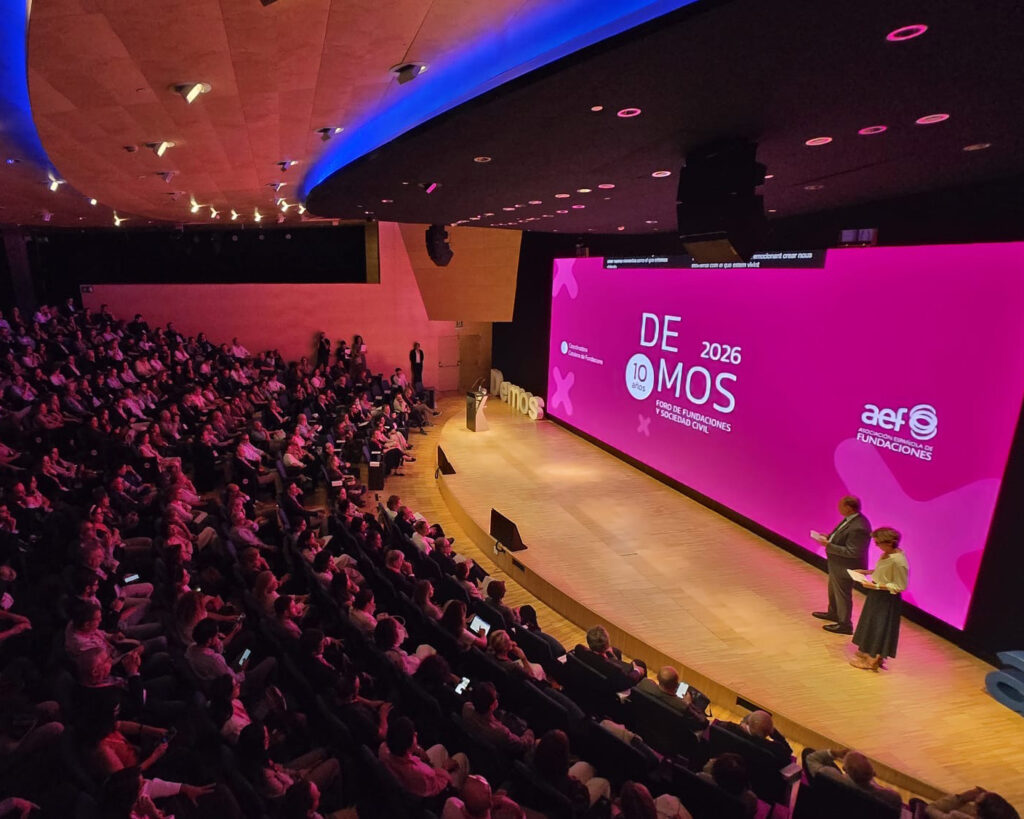
Under the theme “Vulnerabilities and Philanthropy: Foundations as a Response”, the tenth edition of DEMOS focused on the different forms of vulnerability currently affecting society and the role foundations play in responding to these realities.
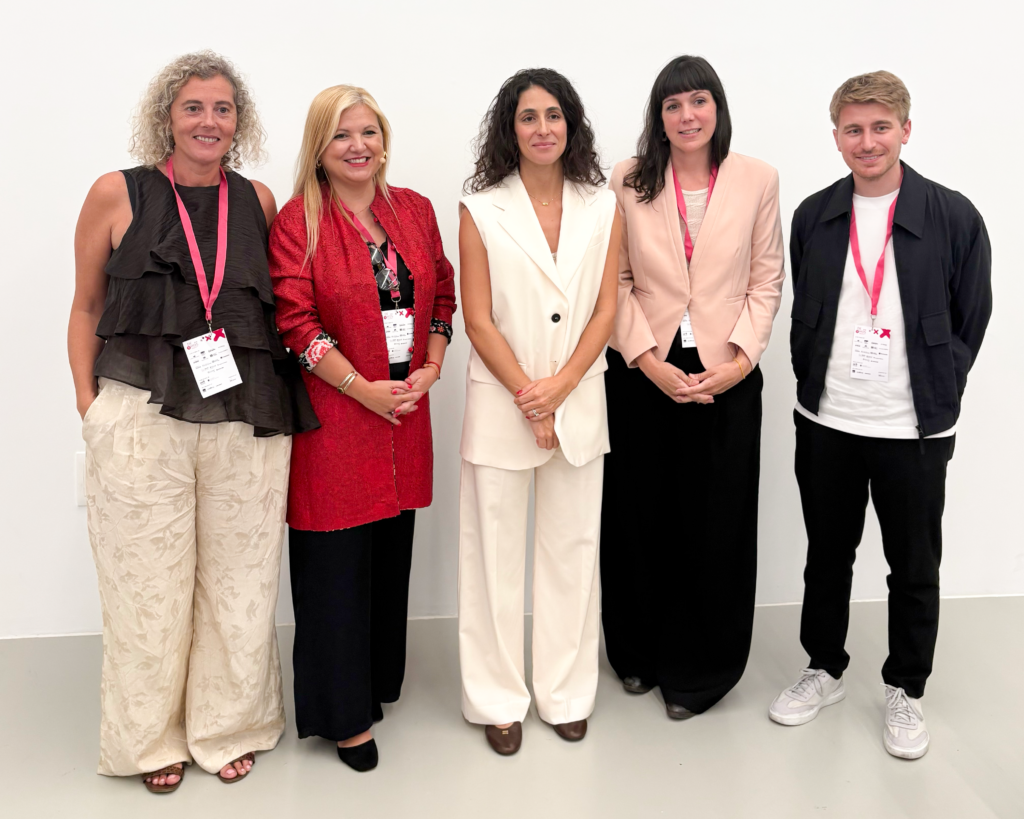
As part of the programme, María Francisca Perelló, Director of Fundación Rafa Nadal, participated in the round table “Transforming Lives, Protecting Rights”, dedicated to analysing the challenges faced by children and young people in vulnerable situations and the responses needed to guarantee their rights and opportunities.
The round table brought together representatives from some of the leading organisations working in this field: Aitor Hernández, Executive Director of Fundación Fútbol Más España; Diana Díaz Álvarez, Director of ANAR Helplines at Fundación ANAR; Catalina Perazzo, Director of Influence and Territorial Development at Save the Children; Sandra Camós, Director of Educational Talent, Art, Wellbeing and Creativity at Fundación Princesa de Girona; and Chema Vera, Executive Director of UNICEF Spain. The session was moderated by Verónica Rivadulla, Director General of Fundación Meniños and Coordinator of the AEF Regional Council of Galicia.
A comprehensive approach to child vulnerability
The session addressed the need to understand child vulnerability from a broad perspective. Today, this reality is not limited solely to families’ economic circumstances, but may also be accompanied by factors such as poverty and material deprivation, school failure and dropout, mental health problems, violence and lack of protection, the digital divide, disability, loneliness, difficulties in reconciling work and family life, and social exclusion, among others.
Against this backdrop, foundations play a particularly important role. Their ability to intervene at an early stage, provide long-term support to children and their families, and promote innovative projects makes it possible not only to address the consequences of vulnerable situations, but also to strengthen personal capacities and create opportunities that can help break cycles of inequality.
This approach is closely aligned with the work carried out by Fundación Rafa Nadal through its different programmes, placing sport and education at the service of the holistic development of children and young people in vulnerable situations.
Two days of knowledge-sharing and alliance-building
Over the two days, DEMOS 2026 offered an extensive programme of meetings, discussions and participatory spaces addressing some of the major social challenges of our time.
The event began with the presentation of “Cartographies of Social Vulnerability”, followed by a dialogue on the current state of affairs and several sessions focusing, among other topics, on the rule of law, adequate housing, climate action, loneliness, mental health, culture and child vulnerability.
The programme also included sessions focused on education and impact investment and systemic investment in response to vulnerabilities, as well as cultural and networking spaces aimed at bringing the event to a close through the sharing of experiences.