
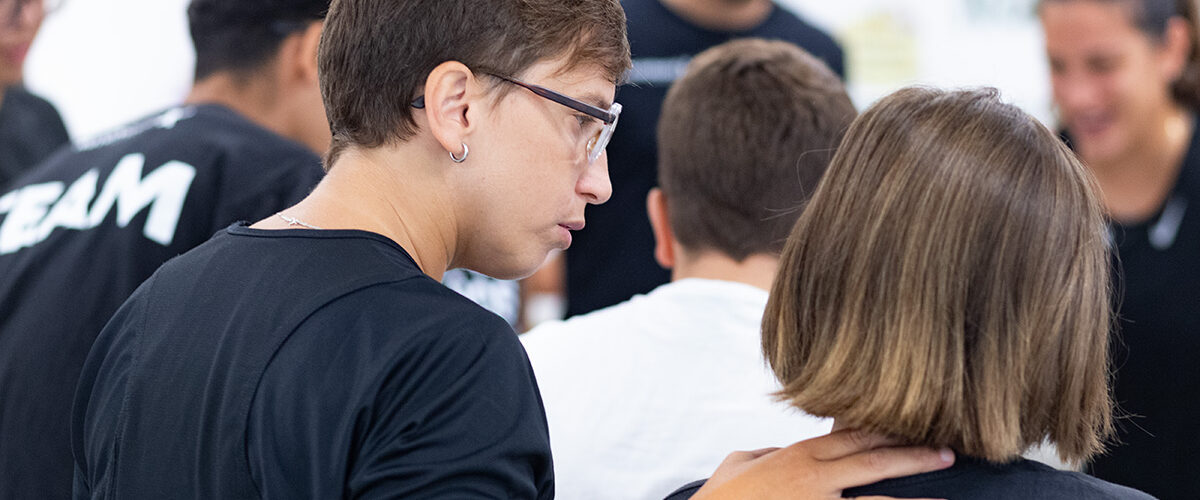
Feeling accepted, listened to and valued. Knowing that you have somewhere to go, people you can trust and a group you belong to. Something that may seem simple and natural is not always part of every child’s or adolescent’s reality. That is why creating spaces where they feel a sense of belonging is one of the fundamental pillars of the work we carry out at the Rafa Nadal Foundation Centres in Palma, Valencia and Madrid.
Childhood and adolescence are crucial stages in the development of identity, self-esteem and relationships with others. During these years, feeling part of a group, building positive relationships and finding role models who support personal growth are particularly important. However, not all children have the same opportunities to do so.
At the Rafa Nadal Foundation Centres, we work with children and adolescents from a wide range of backgrounds and circumstances. Some face difficulties integrating into their surroundings because of their own or their families’ origins, their socioeconomic situation, personal characteristics or other circumstances that may expose them to discrimination or make them feel excluded, both at school and in other areas of their everyday lives.
In many cases, they share one common need: finding a place where they feel comfortable, accepted and safe. A space where they do not have to prove anything, hide who they are or worry about being judged. A place where they can simply be themselves.
A place where everyone belongs
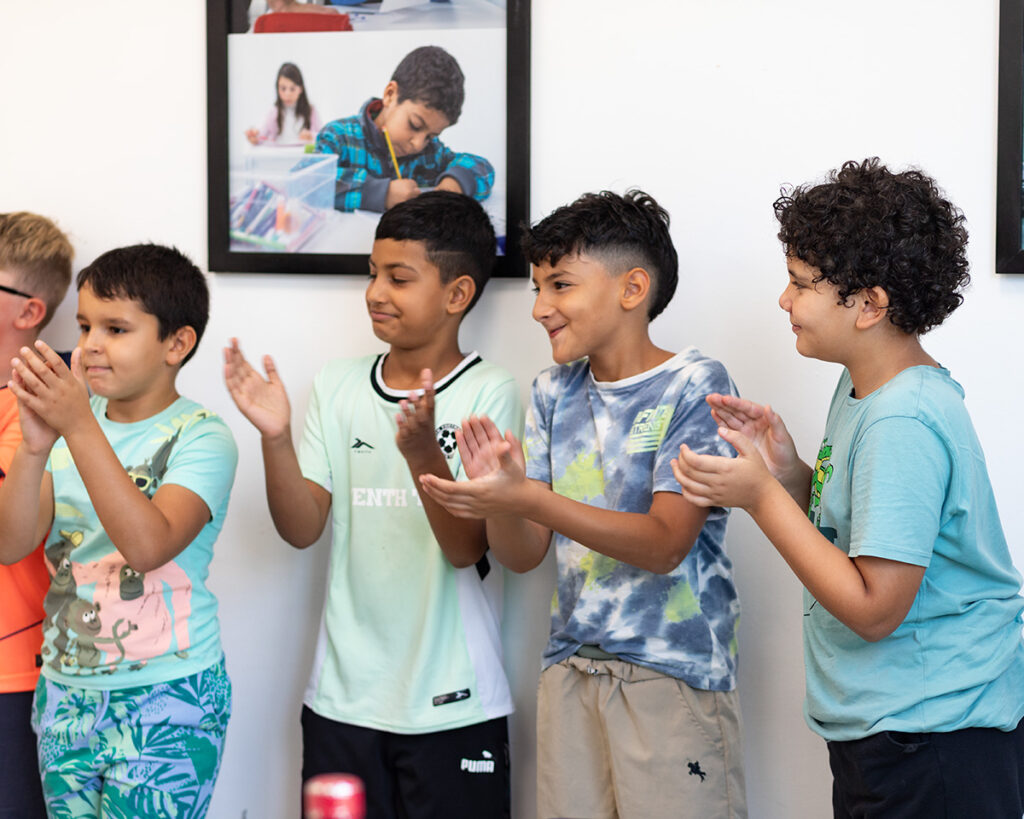
This is one of the main reasons why the Rafa Nadal Foundation Centres exist. Through our Education and Sport programme, our centres become spaces for social interaction, trust and support, where every child and adolescent can find their place.
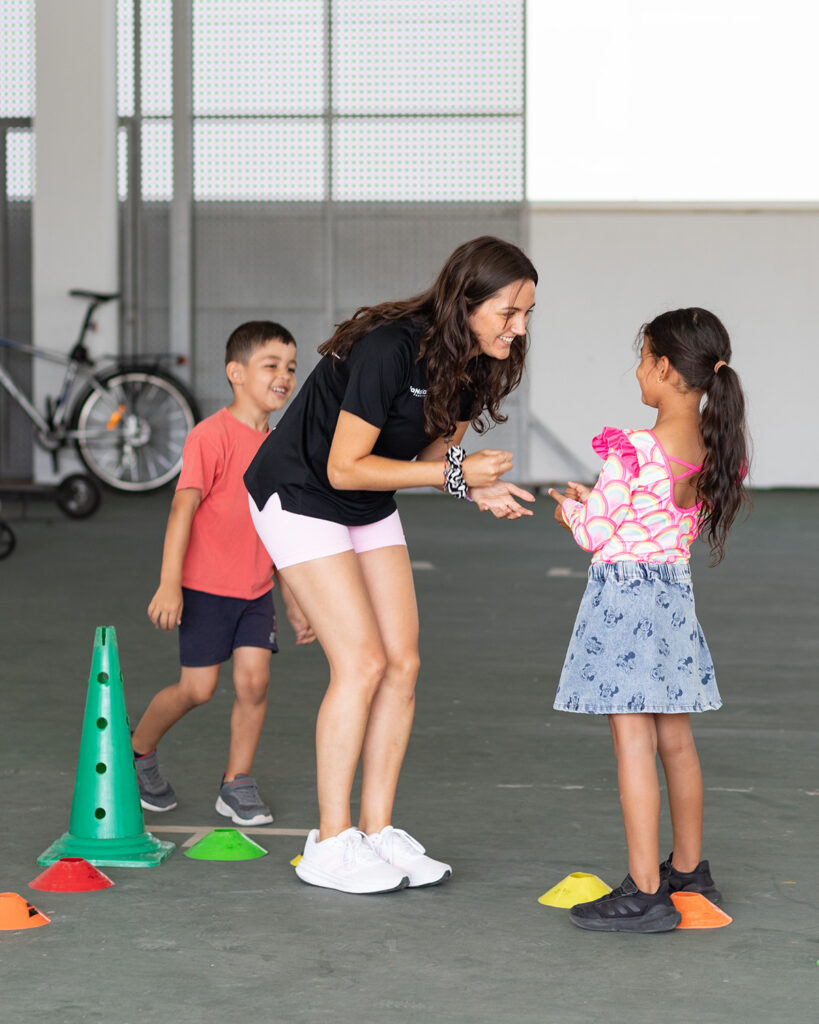
Here, sport is an educational and social tool that encourages relationships, promotes teamwork and helps build connections. But the experience goes far beyond physical activity. Children take part in healthy leisure activities, acquire knowledge and habits related to a healthy lifestyle, learn about personal hygiene and discover the importance of physical activity and personal well-being.
They also find spaces where they can express their emotions, share their concerns, learn to manage conflicts and develop social skills. Above all, they have a team of professionals who support them, listen to them and become positive role models throughout their development.
These are adults who understand their circumstances, recognise their abilities, celebrate their progress and are there when support is needed. Role models who help them discover their potential and believe in themselves.
All of this helps create something that goes far beyond a programme of activities: a sense of community. The centres become places children look forward to visiting, where they have fun, make friends, share experiences and create memories. Spaces where they know they can count on others and that others can count on them.
Belonging in order to grow
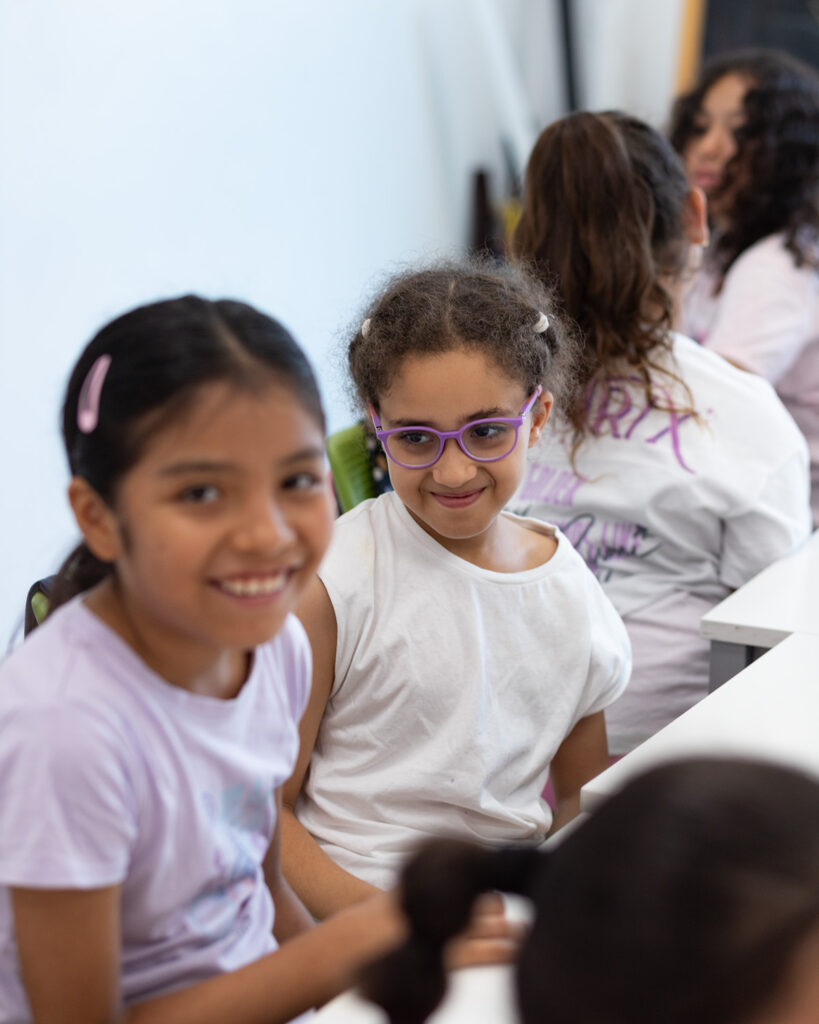
A sense of belonging does not develop overnight. It is built gradually through trust, interaction and shared experiences. At first, some children may be shy, distrustful or find it difficult to build relationships. However, as they become familiar with their surroundings, feel welcomed and realise that they have a place of their own, they begin to get involved, participate and form meaningful connections.
And that is precisely when a fundamental part of the educational process begins: growth.
When a child feels part of a group, they gain confidence to express themselves, become willing to try new things, learn to interact with others respectfully and develop skills that will stay with them throughout their lives. Empathy, independence, responsibility, communication, conflict resolution and the ability to work as part of a team are all skills that are also developed through these everyday experiences.
These are transferable skills that not only improve their present well-being but also expand their future opportunities. They help children navigate different environments, overcome challenges, build healthy relationships and become adults with stronger personal and social skills.
Furthermore, the impact extends beyond the children themselves. Families find a support network at the centres, while the wider community benefits from spaces that promote social interaction, inclusion and equal opportunities.
More than ten years creating opportunities
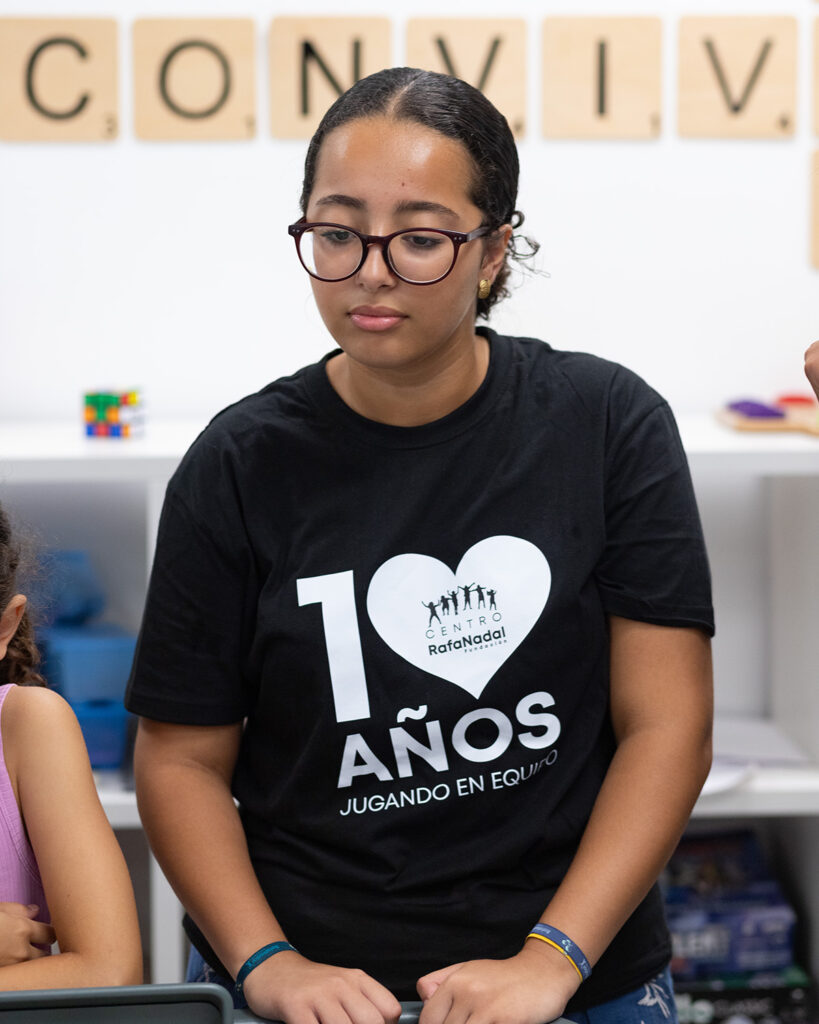
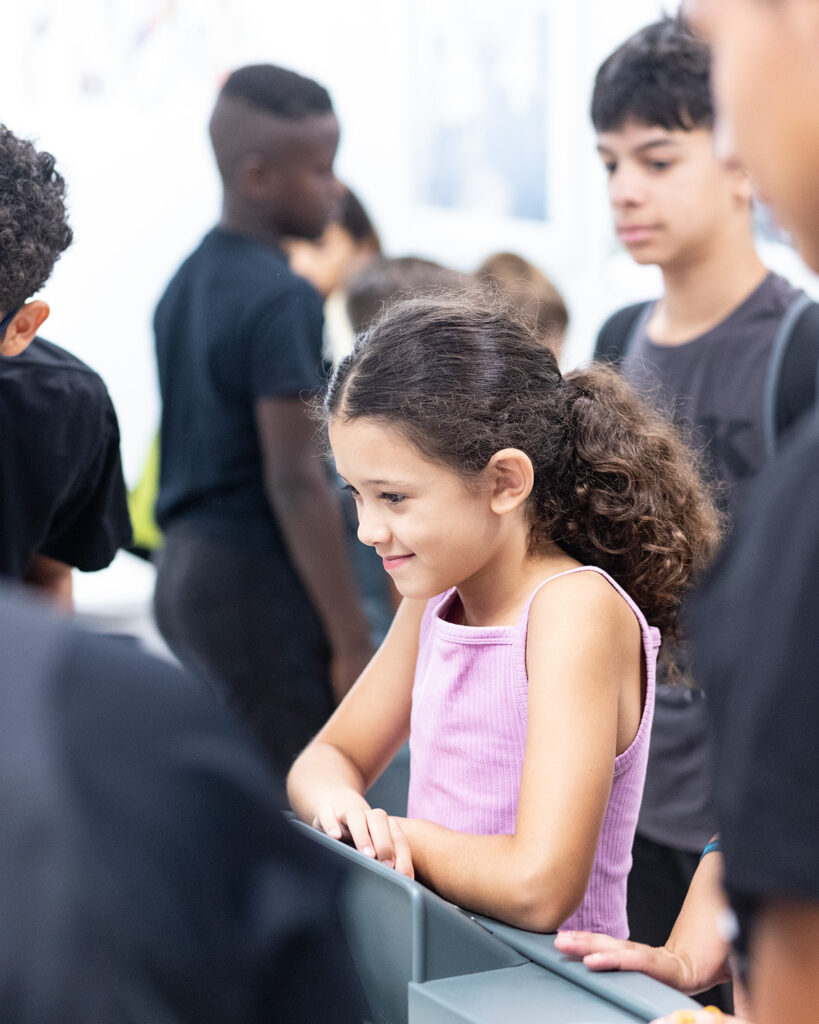
The Rafa Nadal Foundation’s Education and Sport programme has been working for more than ten years to provide development opportunities for children and adolescents experiencing vulnerable circumstances. This journey has allowed us to see how ongoing support, individualised attention and the creation of safe spaces can bring about real and positive change.
The sustainability of the programme and its long-term continuity are essential to building and strengthening these relationships. Because it is not simply about offering occasional activities, but about being present, supporting each child’s journey and building relationships based on trust that allow them to progress at their own pace.
Over the years, we have seen how children who arrive at our centres gradually find their place, gain confidence, develop new abilities and become active members of a community that welcomes and empowers them.
Because before they can learn, grow or discover everything they are capable of achieving, they need to know that they belong somewhere.
At the Rafa Nadal Foundation Centres, we want every child and adolescent to feel that they have a place, that they matter, that their voice counts and that they are part of something bigger.