
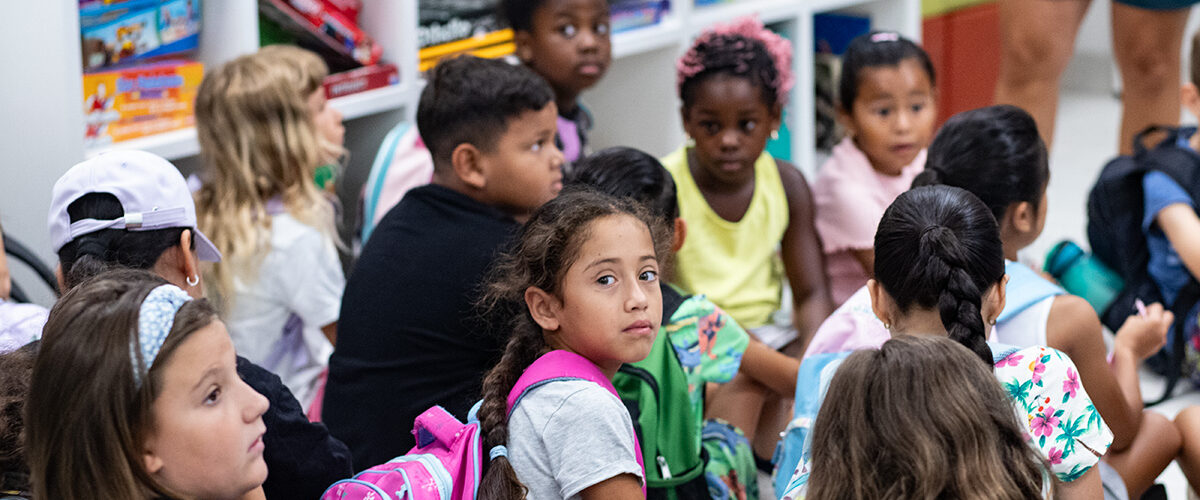
Talking about mental health, listening without judgement and knowing how to support others are also ways of preventing suicide. This 10 September, World Suicide Prevention Day, the WHO invites us to start the conversation and change the way we talk about suicide.
There are questions we ask with the best of intentions: “What’s wrong?”, “Why are you feeling like this?” or “Don’t you think you’re overreacting?” But when someone is going through a difficult time, our words can make a difference.
That is why, this year, we want to ask ourselves a different question: what if we changed the question?
Looking after mental health is also prevention
Mental health is an essential part of our overall wellbeing, and looking after it should be a priority at every stage of life. Especially during childhood and adolescence, having people and safe spaces where we can express how we feel, be listened to and ask for help is essential.
It is not always easy to know what someone may be going through beneath the surface. Changes in behaviour, withdrawing from others or losing interest in things they used to enjoy can be signs that something may not be right.
That is why prevention does not only begin when a situation of risk arises. It also starts much earlier: by creating safe spaces, strengthening relationships and making it natural to talk about how we feel.
Changing the narrative to start the conversation
Since 2024, the World Health Organization (WHO) has been promoting the “Changing the Narrative on Suicide” campaign, which aims to change the way we talk about suicide and tackle the stigma and prejudice that still surround it.
The message is clear: “Start the Conversation.”
Changing the narrative means talking in a more open, responsible and empathetic way. It means moving beyond silence and myths and creating spaces where people can express what they are going through and feel supported in seeking help.
And sometimes, that change can start with something as simple as the words we use.
What if we changed the question?
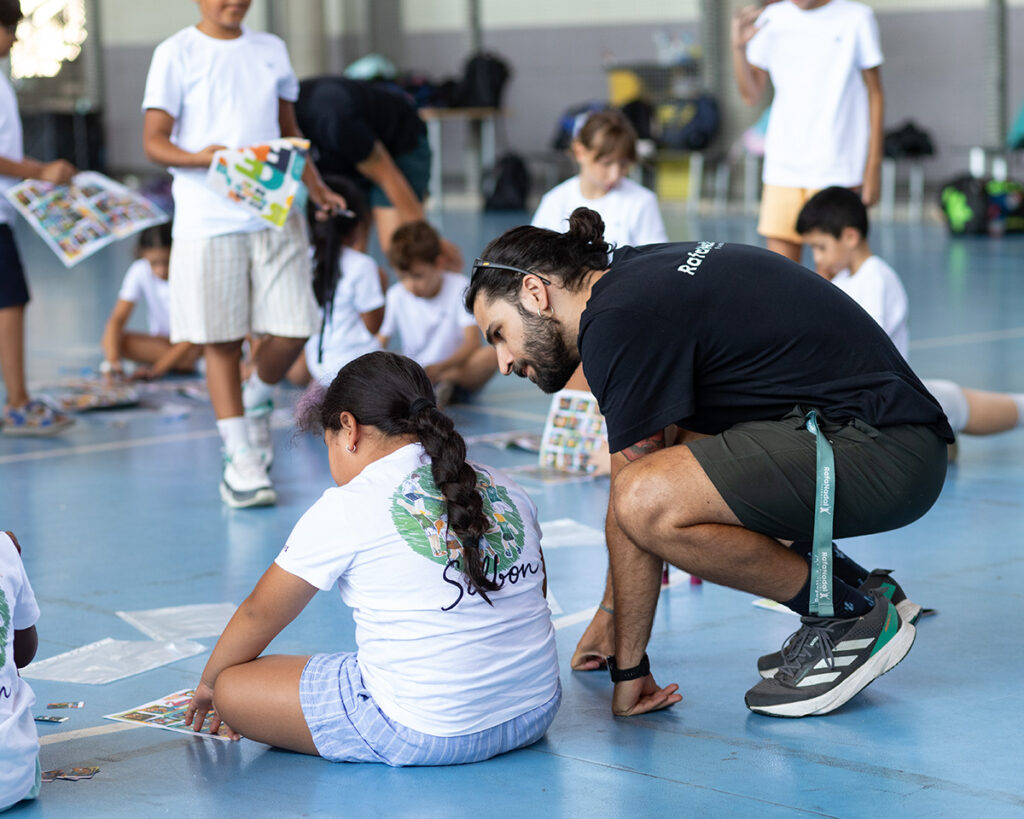
Instead of asking:
“What’s wrong?”
we can say:
“How can I help?”
Instead of:
“Why are you feeling like this?”
we can ask:
“Do you want to tell me how you’re feeling?”
Instead of:
“It’s not that serious.”
we can respond:
“I understand that it feels serious to you.”
And instead of:
“You have to be strong.”
we can remind them:
“You don’t have to go through this alone.”
It is not about finding the perfect words. It is about listening, not judging and taking what the other person is feeling seriously. It also means knowing when professional help may be needed.
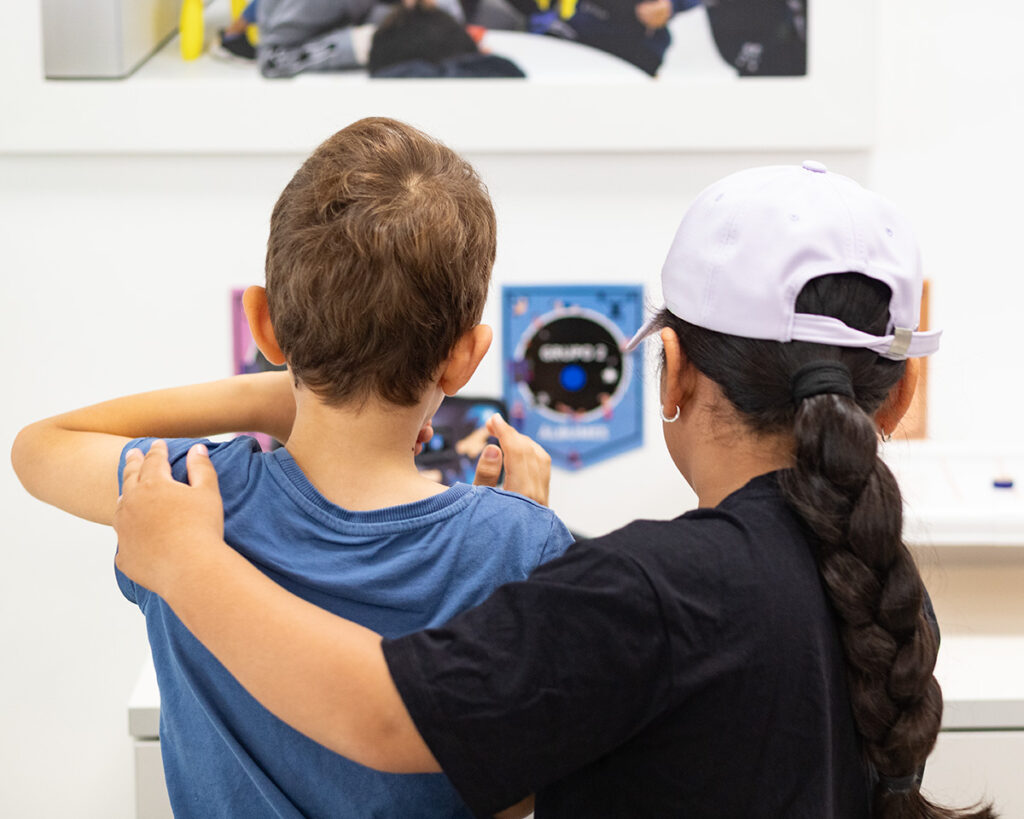
Asking for help is also a strength
We often associate strength with enduring difficulties, overcoming challenges and carrying on. But recognising that we need help and allowing others to support us is also a sign of strength.
When it comes to children and young people, teaching them that they can talk about how they feel and ask for help when they need it is also a way of looking after their wellbeing.
At the Rafa Nadal Foundation, we believe in the importance of creating safe spaces where children and young people can grow, learn, build relationships and feel supported. Because sport and education not only help develop important skills; they can also contribute to strengthening confidence, self-esteem, emotional management and relationships with others.
This 10 September, let us remember that prevention also means being there.
Ask.
Listen. Support.
And, above all, let’s dare to start the conversation.