
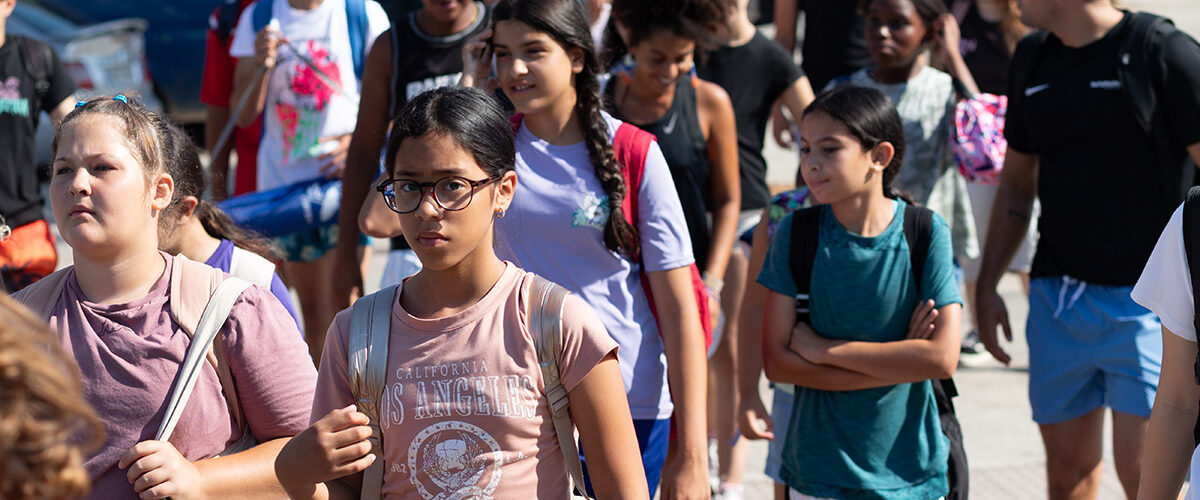
September comes around every year with the same ritual: new books, packed backpacks, freshly bought uniforms or clothes, schedules that bring structure back to our days, and classrooms filled with noise once again after the summer.
Children and teenagers return to school carrying all kinds of things.
But not everything they carry weighs the same. And not everything fits inside a backpack.
Some backpacks carry, alongside notebooks and pencil cases, the nerves of starting a new school year. The fear of not fitting in. Doubts about whether they will be able to cope with a particular subject. The excitement of seeing their friends again. The sadness of leaving summer behind. Worries about what is happening at home. Or simply the uncertainty of facing a school year full of things they do not yet know how they will turn out.
Every child and teenager returns to the classroom with their own story.
And that story is not always visible.
There Are Things That Don’t Appear on the School Supplies List
When we think about going back to school, we usually talk about preparing schedules, buying school supplies, getting back into routines or helping with homework. All of these things are important. But there is another kind of preparation that is just as necessary: being ready to listen to how they feel.
Because behind a “I don’t want to go to school” there can be many things.
It could be tiredness. Fear. Insecurity. A conflict with a classmate. Difficulty keeping up with the pace of the class. Or simply the fact that they need more time to adjust again.
Likewise, behind an “I’m fine” there may be much more than meets the eye.
That is why supporting children and teenagers is not only about asking them what homework they have or how an exam went. It also means taking an interest in the things that cannot be measured by a grade: how they feel, what worries them, what excites them and what they need from us.
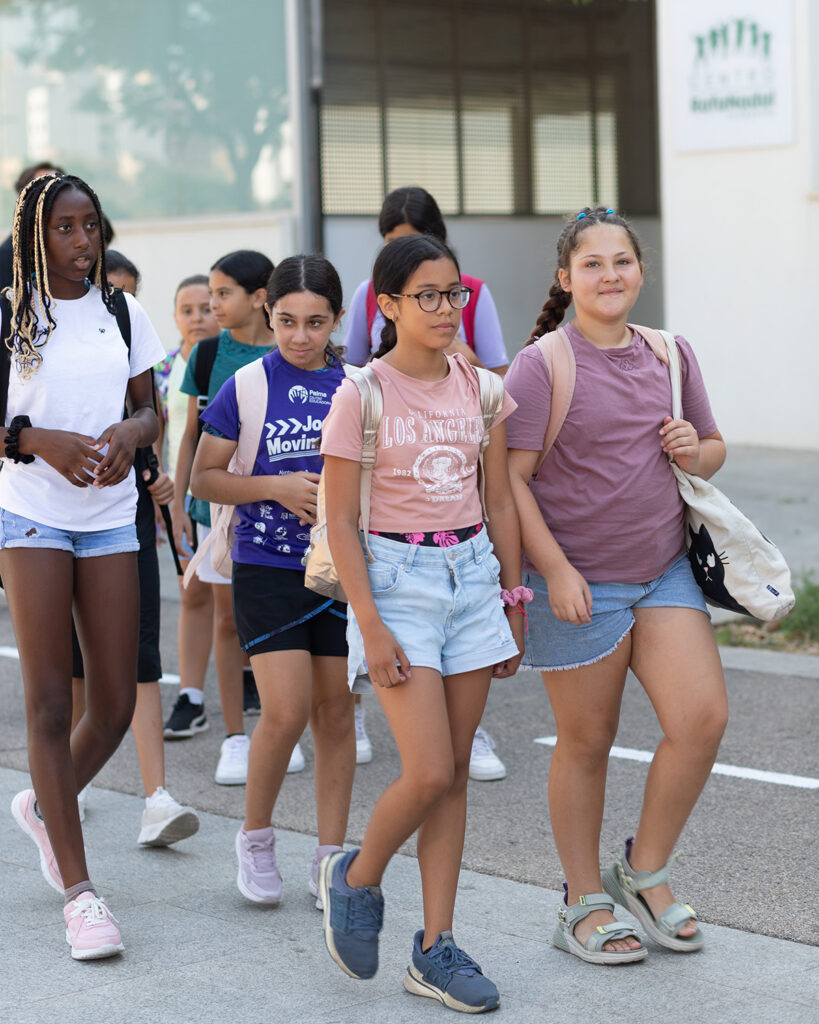
Every Backpack Weighs Differently
Family circumstances, financial difficulties, learning challenges, a lack of confidence, difficulties building relationships or certain personal situations can make the journey more challenging.
And although all backpacks may look the same from the outside, they do not all weigh the same.
That is why it is so important to create safe spaces where every child can feel heard and supported. Spaces where they can make mistakes without fear, ask for help when they need it and discover that difficulties do not determine how far they can go.
Tools to Fill That Backpack
Throughout childhood and adolescence, children accumulate lessons that will stay with them long after they leave school.
They learn to work as a team, manage frustration, resolve conflicts, believe in themselves, respect others, take responsibility and get back up after making a mistake.
These are lessons that do not always appear in textbooks, but they are also an essential part of education.
And in this sense, sport can be an extraordinary tool.
Because sport teaches us that we do not always win. That making mistakes is part of the process. That there will be days when things do not go as planned, and others when we discover that we are capable of much more than we imagined.
We learn to persevere, to trust ourselves, to work with others and to celebrate our own achievements as well as those of others.
Ultimately, we learn values that help us face the challenges we encounter beyond the court or playing field.
How Can We Support Them?
Adults cannot prevent every difficulty children and teenagers will encounter along the way. Nor can we always know what they are carrying inside when they walk through the school gates.
But we can support them.
We can teach them that asking for help is not a weakness. That making mistakes does not mean failing. That they do not have to do everything on their own. That their efforts matter, even when the outcome is not what they expected.
We can listen without judging. Ask without putting pressure on them. Be there even when they do not want to talk.
We can help them fill that invisible backpack with confidence, perseverance, empathy and the resources they need to face difficulties.
Because we cannot choose everything they will encounter along the way, but we can support them as they learn how to navigate it.